
Drainage Systems for Floodplain Homes
Weeping tiles, French drains, and surface grading — what each system does and when each one is the appropriate choice for a property near a river.
Homes situated near rivers and in low-lying areas face recurring challenges — seasonal flooding, soil movement, and water intrusion. This site covers the practical side: drainage options, foundation reinforcement, and what to do before and after high-water events.

Articles
Weeping tiles, French drains, and surface grading — what each system does and when each one is the appropriate choice for a property near a river.
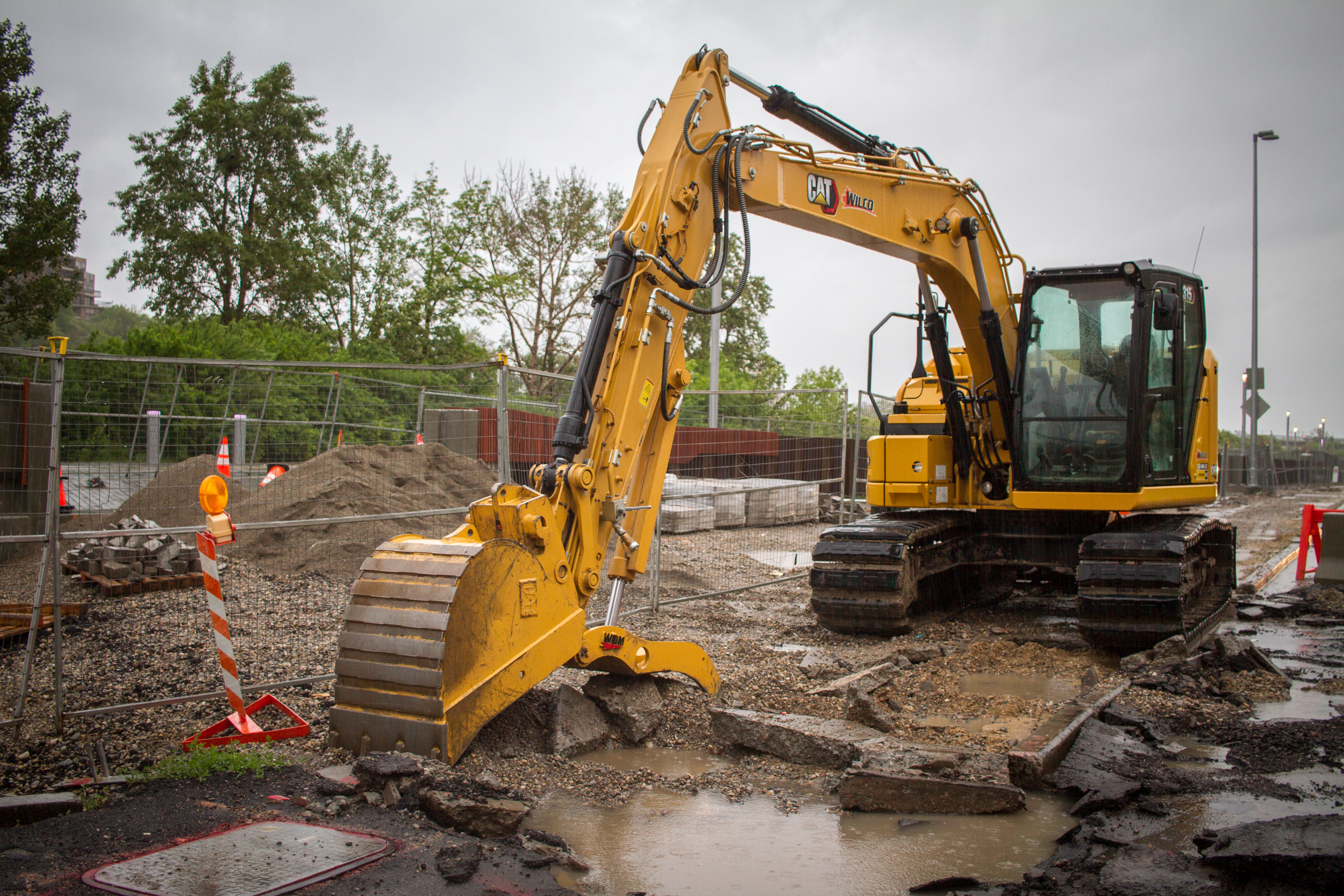
How repeated saturation and freeze-thaw cycles affect concrete and block foundations, and the methods used to slow or stop deterioration in floodplain settings.

A practical checklist covering what to do in autumn, winter, and spring to reduce flood damage risk before the typical high-water period in Canadian river systems.
Context
In Canada, rivers like the Red River in Manitoba, the Bow River in Alberta, and the Ottawa River in Ontario periodically overflow their banks. Homes in adjacent low-lying zones face conditions that standard residential construction guidelines do not fully address.
Saturated soil loses bearing capacity. Clay soils shrink and swell with moisture changes. Hydrostatic pressure from groundwater pushes against basement walls from below and from the sides. These forces are compounded by annual freeze-thaw cycling that is particularly pronounced in prairie and Great Lakes climates.
The articles on this site focus on measures that licensed contractors and engineers commonly specify for properties in designated flood-risk areas, drawing on publicly available guidelines from Natural Resources Canada, provincial flood-mapping programs, and the National Building Code of Canada.
Key Topics
Perimeter drainage, weeping tile systems, surface grading, and sump pump selection for high water-table properties.
Exterior membrane application, bentonite panels, interior drainage boards, and crack injection for poured concrete foundations.
Autumn and spring checklists, backwater valve maintenance, and what documents to keep ready for insurance claims.
How to read provincial flood-hazard maps, what floodway and flood fringe designations mean for renovation permits.
