A foundation that performs adequately in dry conditions may develop significant problems when the surrounding soil is repeatedly saturated. For homes in Canadian floodplain zones — where seasonal high water is a recurring event rather than a rare one — foundation protection is not a one-time task. It requires understanding the specific stresses that wet soil conditions impose and applying methods suited to those conditions.
How Saturated Soil Affects Foundations
Concrete is porous. Water does not need a crack to enter — it moves through the capillary structure of the concrete itself, particularly in older foundations where the concrete mix had a higher water-to-cement ratio. Once moisture is inside the wall, freeze-thaw cycling expands and contracts the absorbed water, widening existing micro-cracks and creating new ones over successive winters.
Hydrostatic pressure is the other major force. When the water table rises — as it does seasonally in floodplain areas — water presses against the below-grade portion of the foundation from the outside. The pressure increases with depth: at two metres below grade, saturated soil exerts considerable lateral force against a basement wall. Walls that were designed to handle dry soil loads may deflect or crack under this additional pressure.
Shrink-swell clay soils, common in parts of the Prairie provinces and the St. Lawrence Lowlands, present an additional complication. These soils expand significantly when wet and shrink when dry, creating variable pressure on foundation walls across seasons. A structural engineer familiar with local soil conditions can assess whether this is a factor for a specific property.
Exterior Waterproofing Membranes
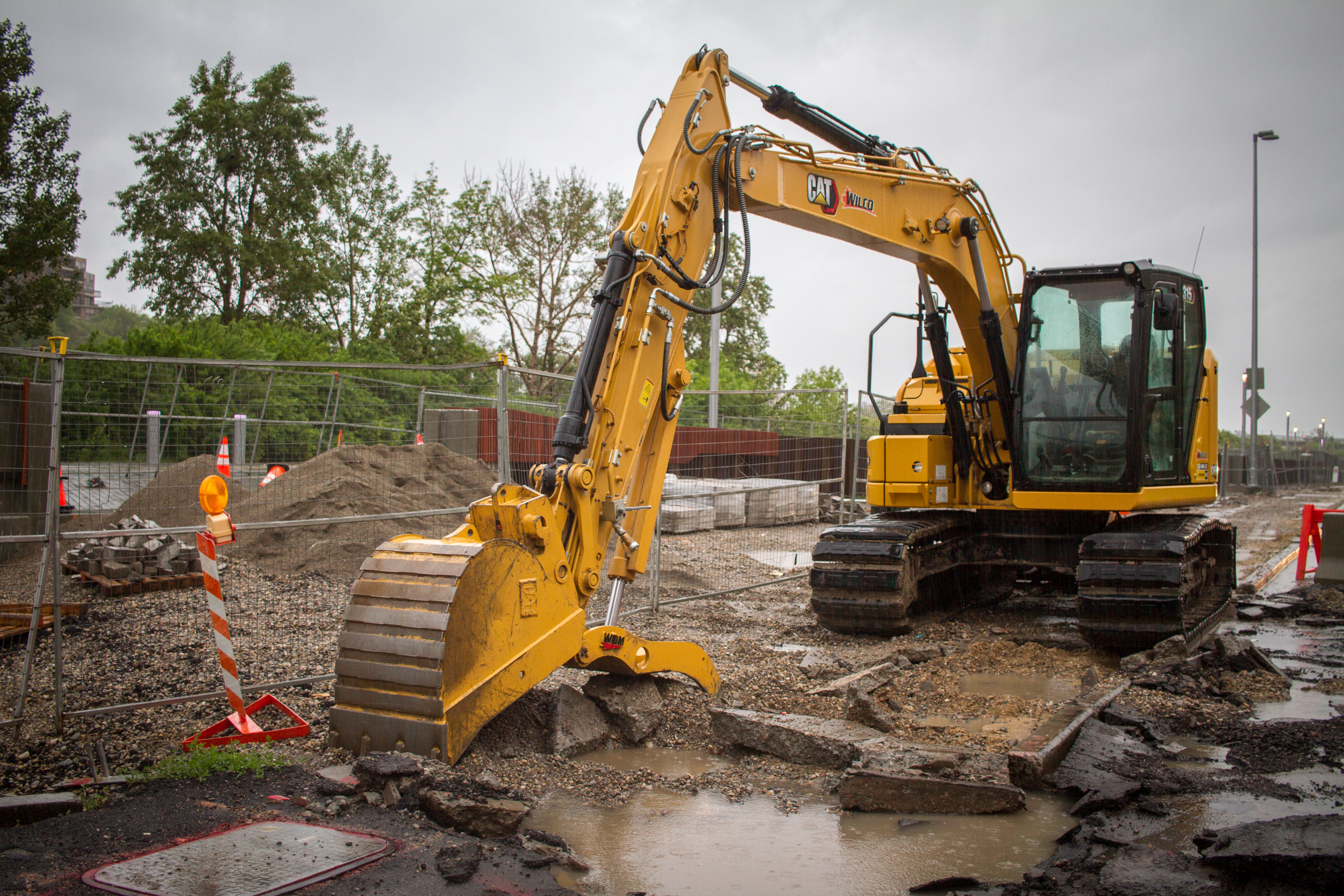
Exterior waterproofing — applied to the outside face of the foundation wall — is the most comprehensive approach because it addresses the problem at the source. The process requires excavating around the perimeter of the house down to the footing level, cleaning the wall surface, and applying a waterproofing membrane before backfilling.
Two main types of membrane are used in Canada. Bituminous (asphalt-based) spray-applied membranes have a long track record and are cost-effective. They are applied in multiple coats and are generally durable, though they can crack in cold conditions if not applied to sufficient thickness. Cementitious waterproofing products are mixed and trowel-applied; they bond directly to concrete and are highly alkaline, which inhibits efflorescence. Neither type is considered sufficient on its own for high hydrostatic pressure situations — they are typically combined with a drainage board placed against the membrane to move water downward toward the weeping tile rather than allowing it to accumulate against the wall.

Spring flooding on the Credit River in Ontario — historical floods illustrate the recurring nature of high-water events in Canadian river valleys.
Bentonite Clay Systems
Bentonite clay panels are an alternative waterproofing approach for exterior applications. Bentonite is a clay mineral that swells dramatically when it contacts water, forming a dense, self-sealing barrier. Panels are nailed to the foundation wall before backfilling; when soil moisture activates the bentonite, it expands and fills any gaps or voids. One advantage is the self-healing property: if a crack develops in the foundation wall, the bentonite migrates into it. Bentonite systems are not suitable where the groundwater contains high mineral concentrations — hard water ions can interfere with the swelling reaction.
Interior Waterproofing and Drainage Boards
When exterior excavation is not feasible — because of cost, site access constraints, or proximity to other structures — interior systems are used. Interior drainage boards (also called dimple mat or drainage membrane) are affixed to the interior face of the basement wall. They create an air gap between the wall and any interior finishing, allowing moisture that has passed through the concrete to drain downward into a channel at the floor perimeter rather than being trapped where it can cause mould or spalling.
Interior crack injection is a separate but related measure. Polyurethane foam injection into cracks in poured concrete walls expands to fill the void and bonds to the concrete on both sides. It does not repair the structural cause of the crack, but it stops water infiltration through that specific pathway. Epoxy injection, by contrast, restores some structural continuity and is used where the crack represents a load-bearing concern rather than purely a water-entry point.
Foundation Wall Reinforcement
Walls that have deflected inward due to soil pressure — a condition more common in concrete block foundations than in poured concrete — may require structural reinforcement in addition to waterproofing. Carbon fibre straps bonded to the interior face of the wall stabilise it against further movement. Helical anchors driven through the wall into the soil outside can apply outward force to push a deflected wall back toward plumb. Both approaches require assessment by a structural engineer before installation.
For homes in areas designated as floodway (the channel that carries the highest-velocity flood flow) rather than flood fringe, most provincial regulations restrict basement construction or require that habitable space start at or above a specified flood protection elevation. This affects both new construction and renovation permits.
Window Wells and Above-Grade Openings
Basement windows and hatchway openings are frequent water entry points during flood events. Window wells — the curved metal or plastic inserts that create a pocket of air space around a below-grade window — should have a drain at the bottom connected to the perimeter drainage system, or at minimum be filled with gravel to allow rapid infiltration. During flood watches, pre-cut plywood covers or commercially available window well covers that seal against the foundation can limit entry from surface flooding.
Working with Flood-Hazard Mapping
Before undertaking any significant foundation work on a floodplain property, it is useful to locate the property on the applicable provincial or municipal flood-hazard map. In Ontario, Conservation Authorities maintain flood-hazard mapping and issue permits for development in regulated areas. In British Columbia, the Flood Hazard Area Land Use Management Guidelines inform local government zoning. In Alberta, the Province's flood hazard identification maps are publicly available through the Alberta Environment and Protected Areas website.
Understanding which flood zone a property sits in — floodway, flood fringe, or overland flow area — determines what permit conditions apply and what construction standards are required.